Skip to content

Cart

Your cart is empty

Eternal Radiance

Diamond Guide

The Timeless Beauty of Diamonds

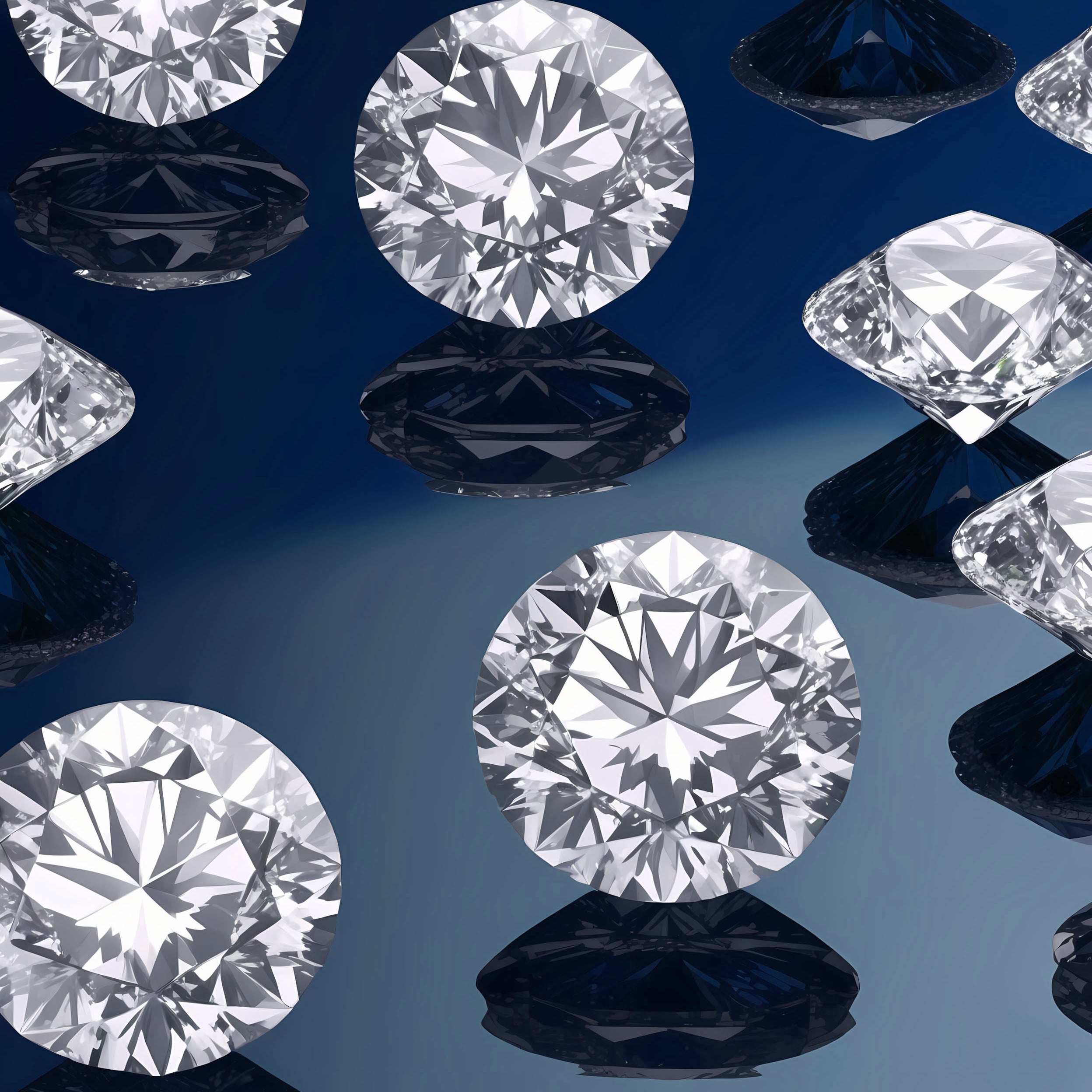
Diamonds are the world's most precious and durable stones, symbolizing eternal love, purity, and strength. Formed deep within the Earth under extreme pressure and temperature, each diamond is unique in its characteristics.

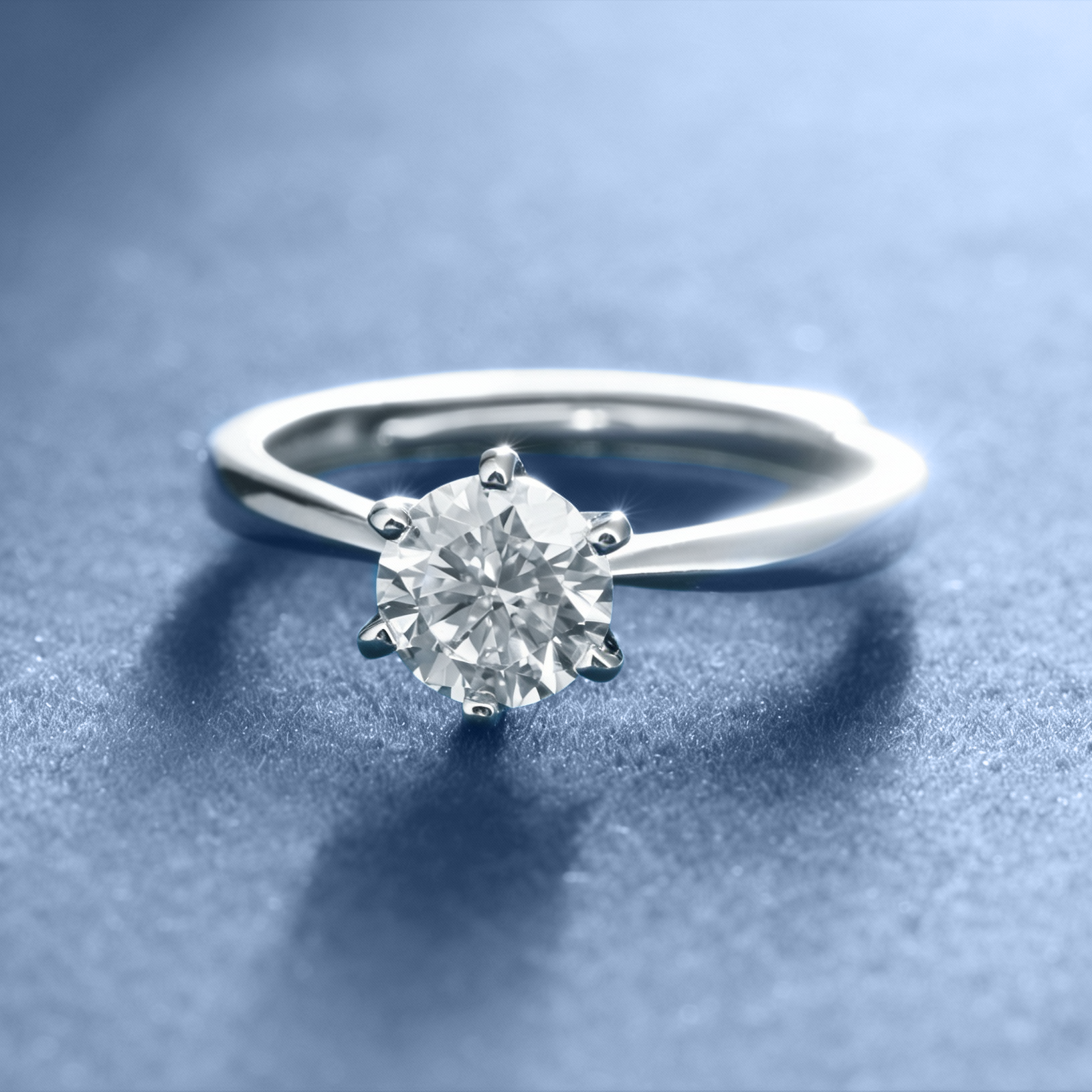
From engagement rings to statement jewelry, diamonds continue to fascinate with their incomparable brilliance and enduring value.

Whether you choose a natural or lab-grown diamond, understanding the essential characteristics will help you make the perfect choice for your needs.

The 4Cs of Diamonds

The quality and value of a diamond are determined by four fundamental characteristics, known as the "4Cs": Cut, Color, Clarity, and Carat.

Cut

The most important factor influencing a diamond's brilliance. A superior cut maximizes light reflection.

Cut grades:

  • Excellent - Maximum brilliance
  • Very Good - Excellent brilliance
  • Good - Good brilliance
  • Fair - Moderate brilliance
  • Poor - Reduced brilliance

Tip: Choose "Very Good" at minimum for optimal brilliance.

Color

Diamonds are graded from D (colourless, the rarest) to Z (visibly yellow/brown). Colourless diamonds are the most valuable.

Colour scale:

  • D-F - Colourless (exceptional)
  • G-J - Near colourless (excellent)
  • K-M - Faint tint (good)
  • N-R - Visible tint
  • S-Z - Pronounced tint

Tip: G-H offers the best value for money.

Clarity

Measures the presence of inclusions (internal flaws) and blemishes (external flaws). The fewer the imperfections, the more valuable the diamond.

Clarity Scale:

  • FL/IF - Flawless (ultra-rare)
  • VVS1-VVS2 - Minute inclusions
  • VS1-VS2 - Small inclusions
  • SI1-SI2 - Inclusions visible under magnification
  • I1-I3 - Inclusions visible to the naked eye

Tip: VS2-SI1 offers excellent purity at an affordable price.

Carat (Weight)

The unit of measurement for diamond weight (1 carat = 0.2 grams). Weight influences visible size and price.

Popular weights:

  • 0.50 ct - Delicate and elegant
  • 0.75 ct - Balanced
  • 1.00 ct - Classic (most popular)
  • 1.50 ct - Impressive
  • 2.00+ ct - Statement luxury

Tip: 0.90-0.95 ct offers a 1 ct look at a lower price.

Types of Diamonds

Understand the differences between natural and lab-grown diamonds to make the right choice.

Natural

Natural Diamonds

Features:

  • Formed in the Earth's depths 1-3 billion years ago
  • Under extreme pressure (45-60 kilobars) and temperatures of 900-1,300°C
  • Extracted from mines or alluvial deposits
  • Each stone is absolutely unique
  • Stable and recognized resale value

Advantages:

  • Authentic natural rarity
  • Long-term investment value
  • Prestige and tradition
  • Potential for appreciation over time

Why choose natural:

Perfect for jewelry with strong emotional significance, collector's items, or long-term investments. Natural diamonds are the traditional choice for engagement rings.

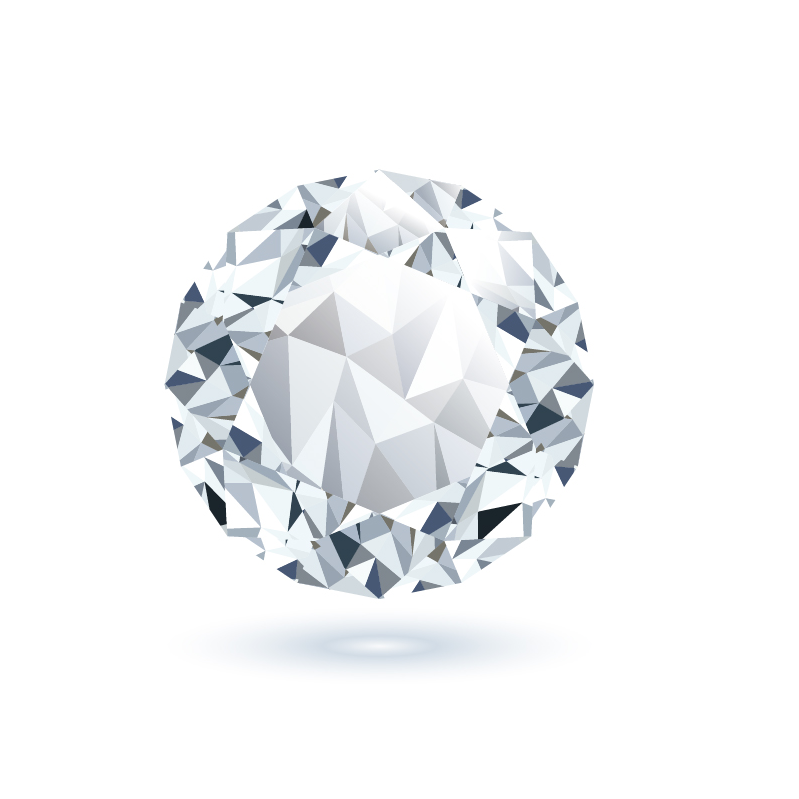
Lab Grown

Laboratory-Grown Diamonds

Features:

  • Chemically, physically, and optically identical to natural ones (pure carbon)
  • Created through CVD or HPHT processes in 6-10 weeks
  • Same hardness properties (10 on the Mohs scale)
  • Visually indistinguishable from natural ones
  • Similar certification (GIA, IGI)

Advantages:

  • 40-70% lower price than natural diamonds
  • Reduced environmental impact (less mining)
  • 100% traceability (certified origin)
  • No ethical conflicts
  • Superior clarity and color available more affordably

Why choose lab-grown:

Ideal for those seeking maximum value within a fixed budget, wanting a larger diamond, or prioritizing sustainability. Perfect for contemporary and fashion jewelry.

Feature Natural Diamonds Lab-Grown Diamonds
Chemical composition Pure carbon Pure carbon (identical)
Hardness (Mohs) 10 10
Luster Identical Identical
Training time 1-3 billion years 6-10 weeks
Price (per carat) Market standard 40-70% cheaper
Resale value Stable, recognized Under development
Environmental impact Intensive mining Significantly reduced
Certification GIA, IGI, AGS GIA, IGI, GCAL

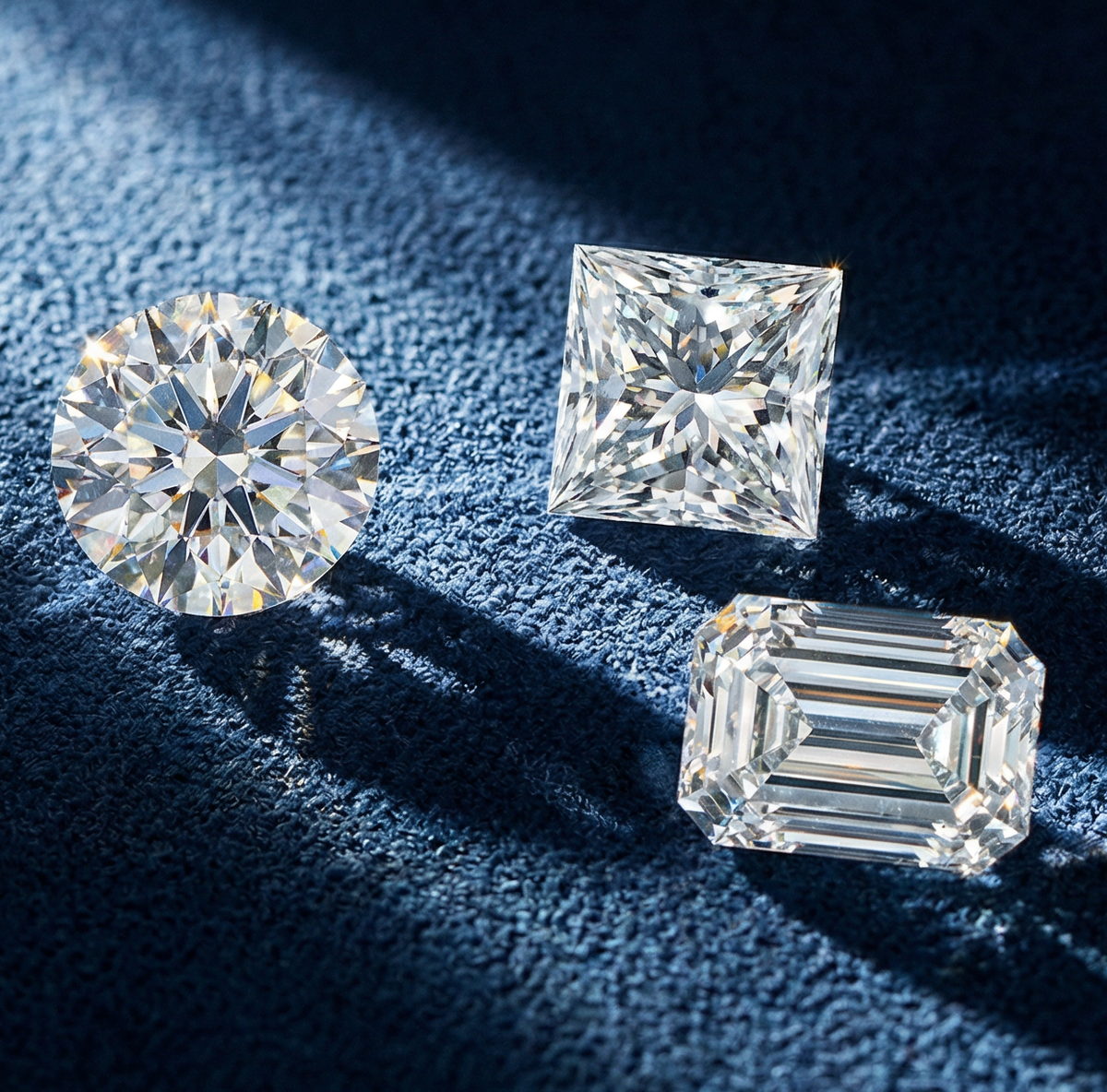
Popular Cutting Shapes

Each cutting shape offers a unique personality and influences the brilliance of the diamond.

Round Brilliant

The most popular (75% of sales). Offers maximum brilliance due to its 58 perfectly calculated facets. Classic and timeless.

Perfect for: Traditional styles, maximum brilliance, versatility.

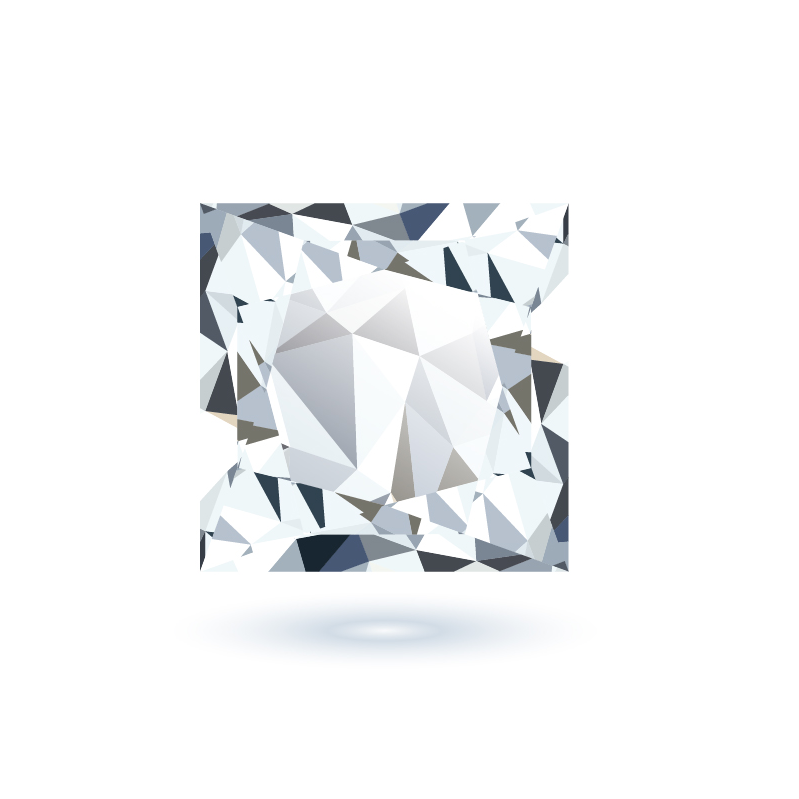
Princess

Square shape with sharp corners. Modern and contemporary look with excellent brilliance. The second most popular shape.

Perfect for: Modern styles, geometric look, statement.

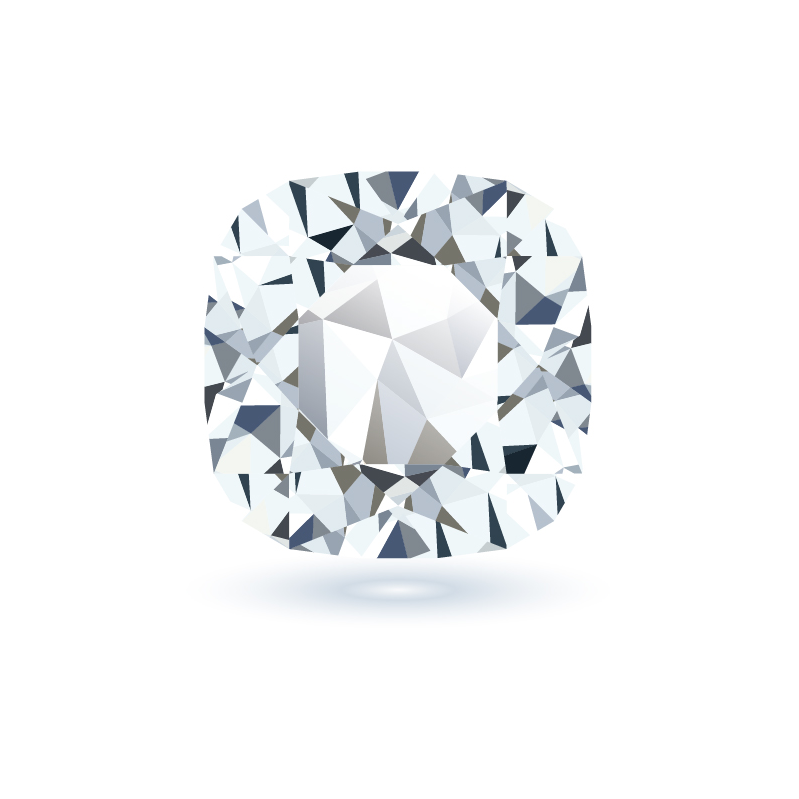
Cushion

Square shape with rounded corners (pillow-cut). Romantic and vintage look, warm and gentle sparkle.

Perfect for: Romantic, vintage look, classic elegance.

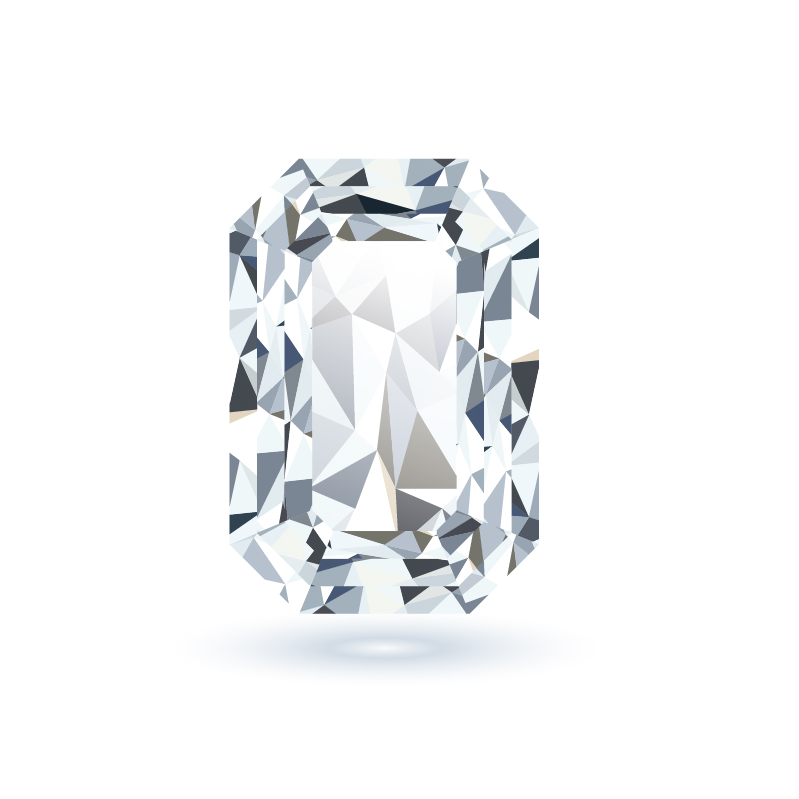
Emerald

Rectangular step-cut with cut corners. Elegant, sophisticated look with a "hall of mirrors" effect.

Perfect for: Discreet elegance, premium clarity, Art Deco style.

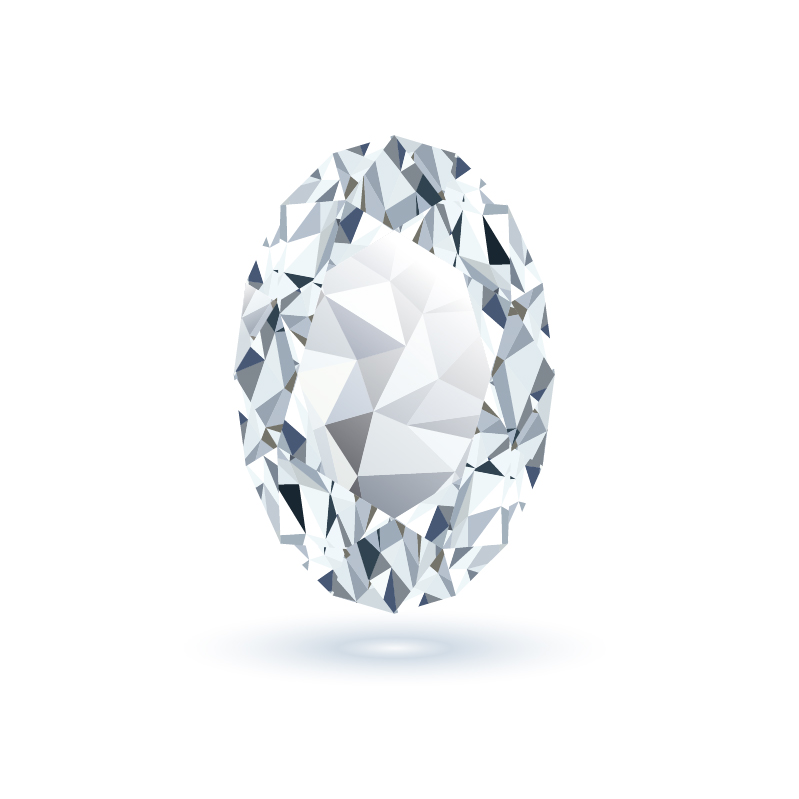
Oval

An elongated variation of the round brilliant. Appears larger than a round brilliant of the same carat weight. Elegant and flattering on the finger.

Perfect for: Creating the illusion of size, elegance, finger-lengthening effect.

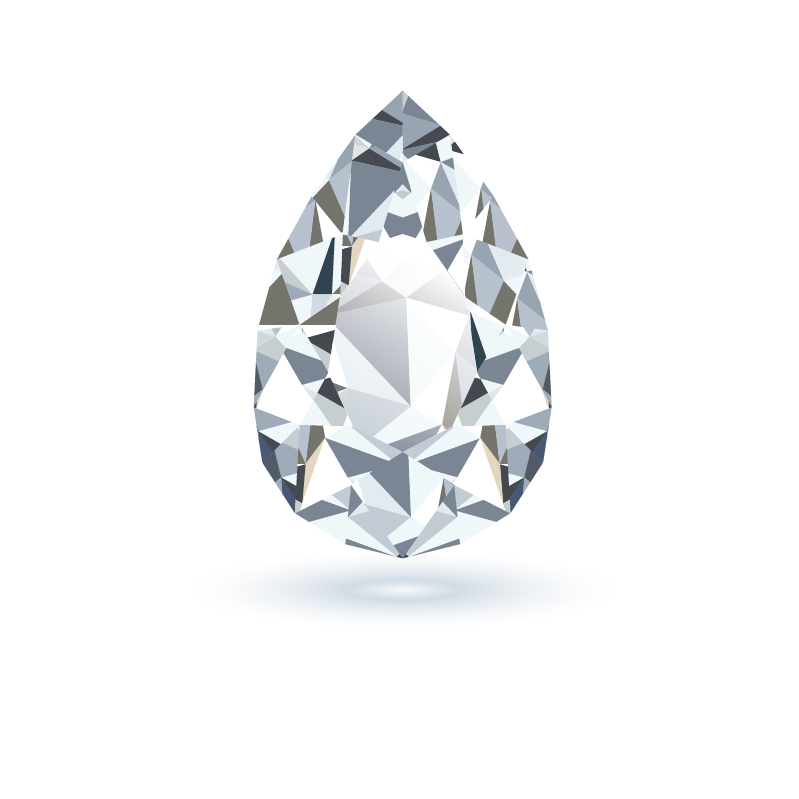
Pear

A combination of round and marquise. Unique, elegant, perfectly symmetrical shape. Very feminine.

Perfect for: Uniqueness, pendants, statement earrings.

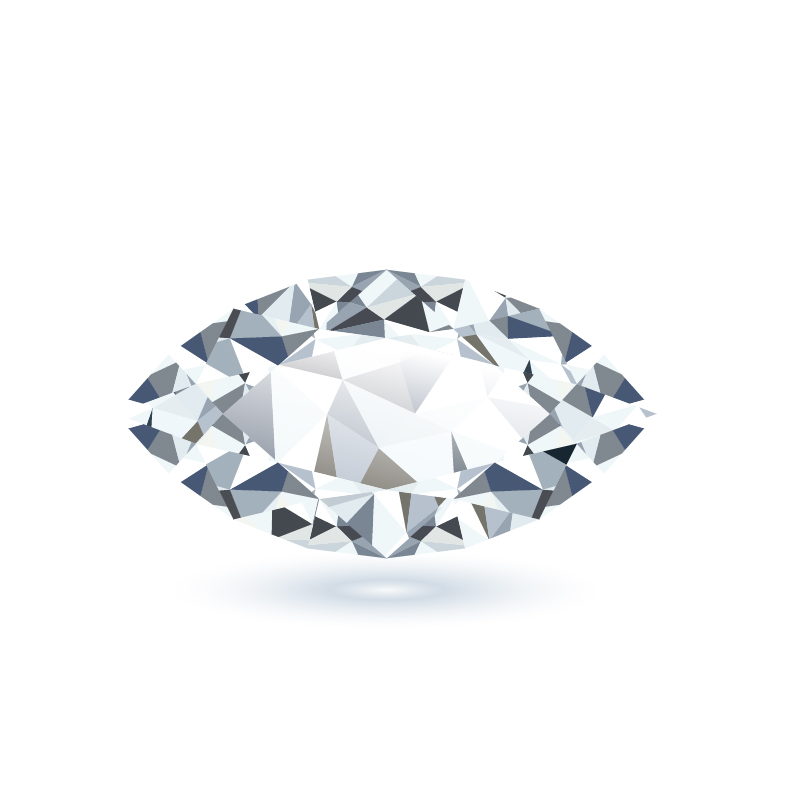
Marquise

Elongated shape with pointed ends. Maximizes apparent carat weight. Dramatic and regal look.

Perfect for: Maximum visual impact, vintage style, regal elegance.

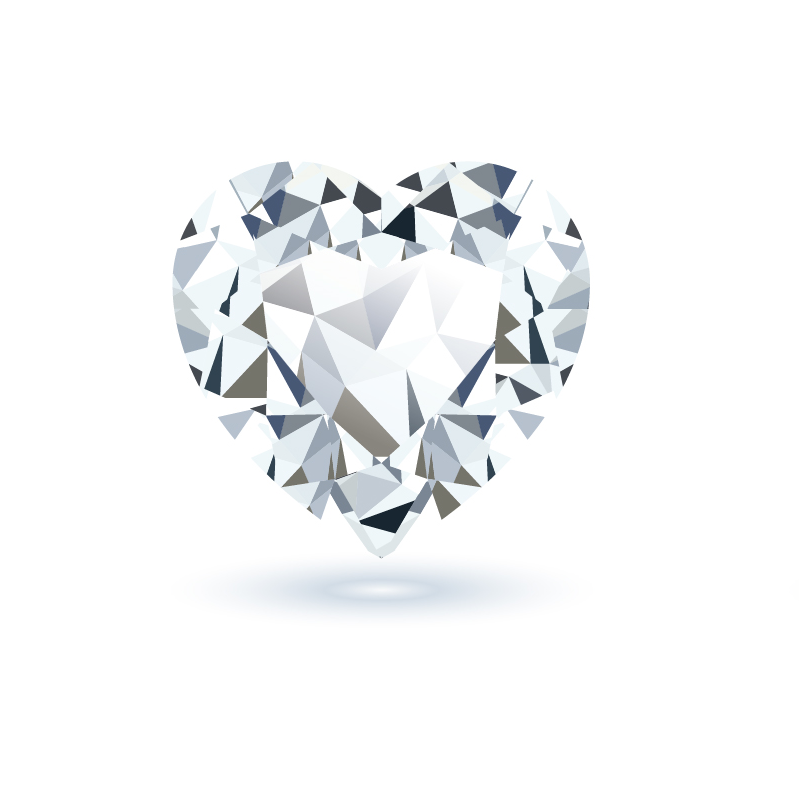
Heart

The universal symbol of love. Complex cut that requires mastery. Very romantic.

Perfect for: Romantic gifts, strong symbolism, uniqueness.

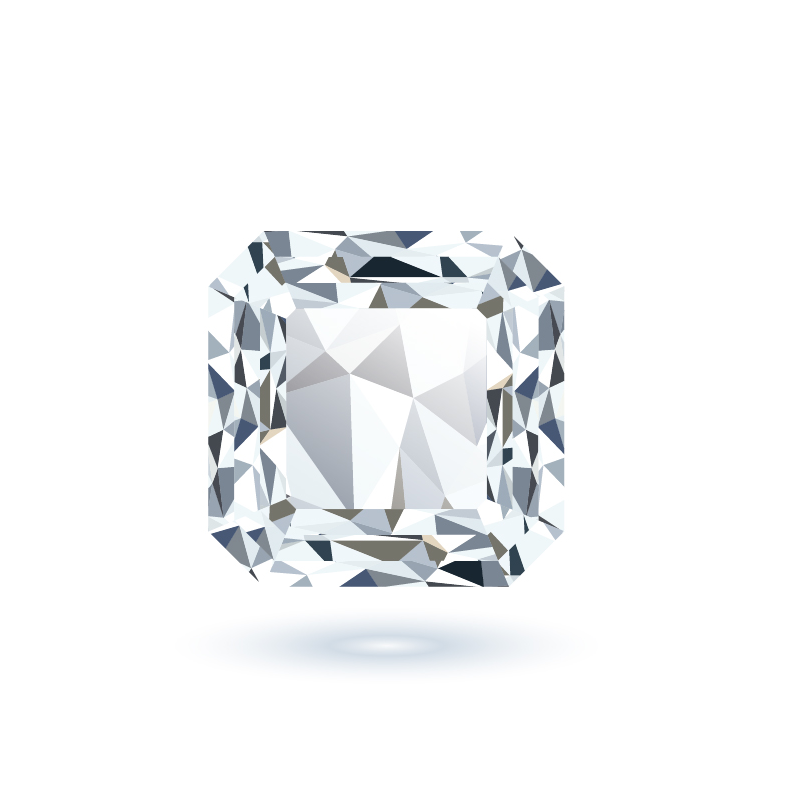
Asscher

Square variation of the emerald cut. Distinct Art Deco look, vintage glamour, hypnotic.

Perfect for: Vintage style, Art Deco, geometric elegance.

Certifications and Laboratories

A certificate from a recognized laboratory guarantees the authenticity and quality of the diamond.

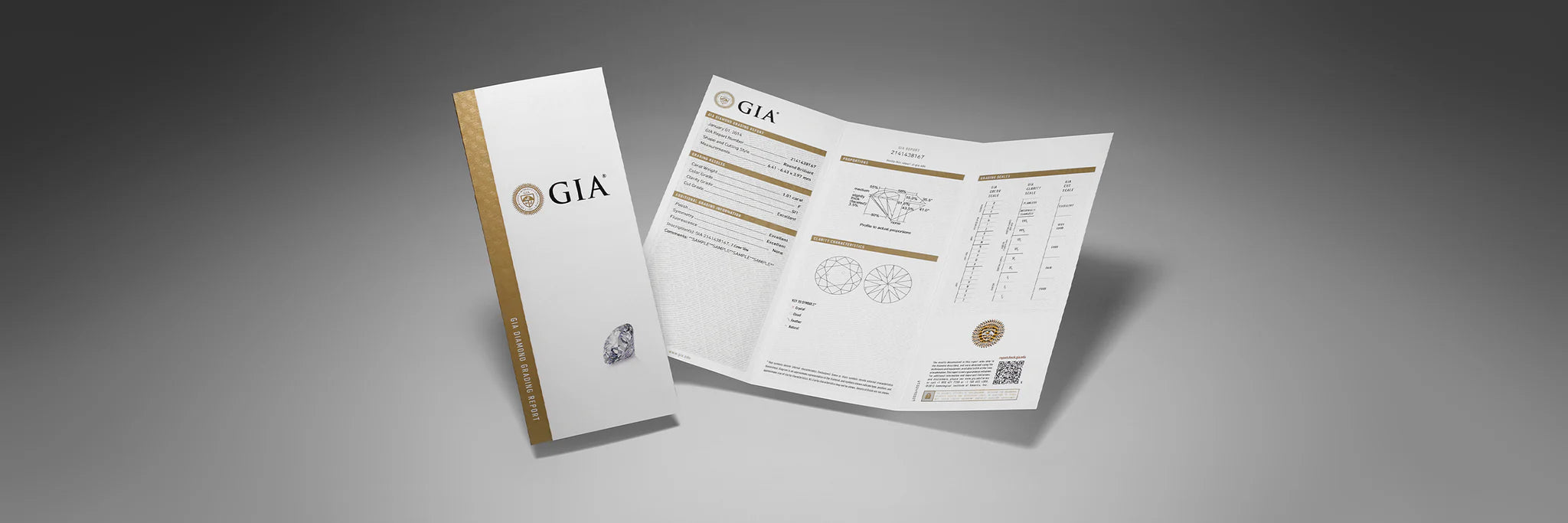
GIA (Gemological Institute of America)

The gold standard in certification. The world's most respected and stringent laboratory. The 4Cs system was created by GIA.

  • The most rigorous in grading
  • Internationally recognized
  • Includes number and laser inscription
  • Detailed report with diagram

IGI (International Gemological Institute)

The world's largest certification laboratory. Very popular for lab-grown diamonds. Consistent standards.

  • Fast and affordable
  • Specialist in lab-grown
  • Global presence
  • Digital reports

AGS (American Gem Society)

Premium American laboratory. Own grading system (0-10). Very strict for cut grade.

  • Most detailed for cut quality
  • Very high standards
  • Ideal for round brilliant
  • Detailed scientific report

What should the certificate contain:

  • Unique identification number
  • Exact carat weight
  • Precise measurements (dimensions)
  • Complete 4Cs grading
  • Inclusion plot
  • Fluorescence (if any)
  • Proportions and symmetry
  • Polish (finish)

Diamond Care

Diamonds are forever, but they require proper care to maintain their sparkle.

Daily Cleaning

  • Wipe with a soft microfiber cloth
  • Avoid lotions and perfumes directly on the jewelry
  • Remove jewelry before showering/bathing
  • Do not wear during intense physical activities

Deep Cleaning at Home

  • Lukewarm water + mild detergent + soft brush
  • Soak for 20-30 minutes
  • Brush gently with a soft toothbrush
  • Rinse with clean water
  • Dry with a lint-free cloth
  • Frequency: once every 2 weeks

Proper Storage

  • Store separately in velvet-lined boxes
  • Do not store with other jewelry (they can scratch)
  • Use dividers in your jewelry box
  • Dry environment, away from direct light

Professional Cleaning

  • Visit to the jeweler: once every 6 months
  • Professional ultrasonic cleaning
  • Setting and clasp inspection
  • Preventive replacement of worn parts

What to avoid:

  • ❌ Chlorine and aggressive chemicals
  • ❌ Strong mechanical shocks
  • ❌ Exposure to extreme temperatures
  • ❌ Cleaning with abrasive pastes
  • ❌ Wearing during manual activities

Assurance and Assessment

  • Insure valuable jewelry
  • Re-evaluate every 2-3 years
  • Keep documentation and certificates
  • Photograph jewelry for your records

Buying Guide

Essential tips for making the best choice when purchasing a diamond.

Set the Budget

The traditional 2-3 months' salary rule for engagement rings is outdated. Set a comfortable budget that doesn't put you under financial pressure.

  • Realistically assess your financial situation
  • Also consider the precious metal
  • Lab-grown diamonds offer more for the same price

Prioritize the 4 Cs

For maximum visual impact:

  • 1. Cut - most important!
  • 2. Carat (size)
  • 3. Color (perfect G-H)
  • 4. Clarity (VS2-SI1 sufficient)

The human eye cannot detect the difference between VS2 and VVS1, but the price differs significantly.

Certification

  • Check the certificate number online
  • Make sure the diamond has a laser inscription
  • Do not buy diamonds without a certificate

Pitfalls to Avoid

  • ❌ Aggressive sales pressure
  • ❌ "Special discounts" that seem too good to be true
  • ❌ Unknown certification laboratories
  • ❌ Lack of a clear return policy
  • ❌ "Investment" diamonds without backing

Essential Checks

  • ✓ Check the store's reputation (reviews)
  • ✓ Read the return policy (minimum 14 days)
  • ✓ Check the warranty and service
  • ✓ Ensure the certificate's authenticity

Optimize Your Investment

  • G-H color offers excellent value for money
  • VS2-SI1 clarity - superb purity at an optimal price
  • Consider 0.90-0.95 ct for maximum value
  • Fancy shapes offer a unique and distinctive look
  • Lab-grown for larger carats at the same budget
  • Invest in Excellent cut grade for maximum brilliance

Do you need help?

Frequently Asked Questions

Do you have questions about jewelry and want to find out more details?

Talk to a specialist, wherever you are!